Making A New Reality: Turning Ideas Into a Narrative-Driven Digital Experience
A visual identity project for the Ford Foundation, developed at In-House International, exploring the tension between technology and humanity through a glitch-driven, mixed-media visual language for the “Making A New Reality” initiative. To see the full project and learn more about it, visit: www.weareinhouse.com
Client: Ford Foundation
General illustrations: Carcalugo
Book illustrations: Mao Orsini
The Problem
“Making A New Reality” addressed social change in a context deeply shaped by technology and its increasingly toxic presence in everyday life. The initiative needed a visual identity capable of reflecting this tension without resorting to neutral or overly polished aesthetics.
“Making A New Reality” addressed social change in a context deeply shaped by technology and its increasingly toxic presence in everyday life. The initiative needed a visual identity capable of reflecting this tension without resorting to neutral or overly polished aesthetics.
The Challenge
The challenge was to build a visual identity that could:
- Express the uneasy relationship between humans and technology
- Translate abstract social issues into a visceral visual language
- Balance conceptual depth with editorial clarity
- Remain cohesive across multiple applications while embracing imperfection
- The identity needed to feel intentional yet unstable, structured yet disrupted.
The challenge was to build a visual identity that could:
- Express the uneasy relationship between humans and technology
- Translate abstract social issues into a visceral visual language
- Balance conceptual depth with editorial clarity
- Remain cohesive across multiple applications while embracing imperfection
- The identity needed to feel intentional yet unstable, structured yet disrupted.
The Solution
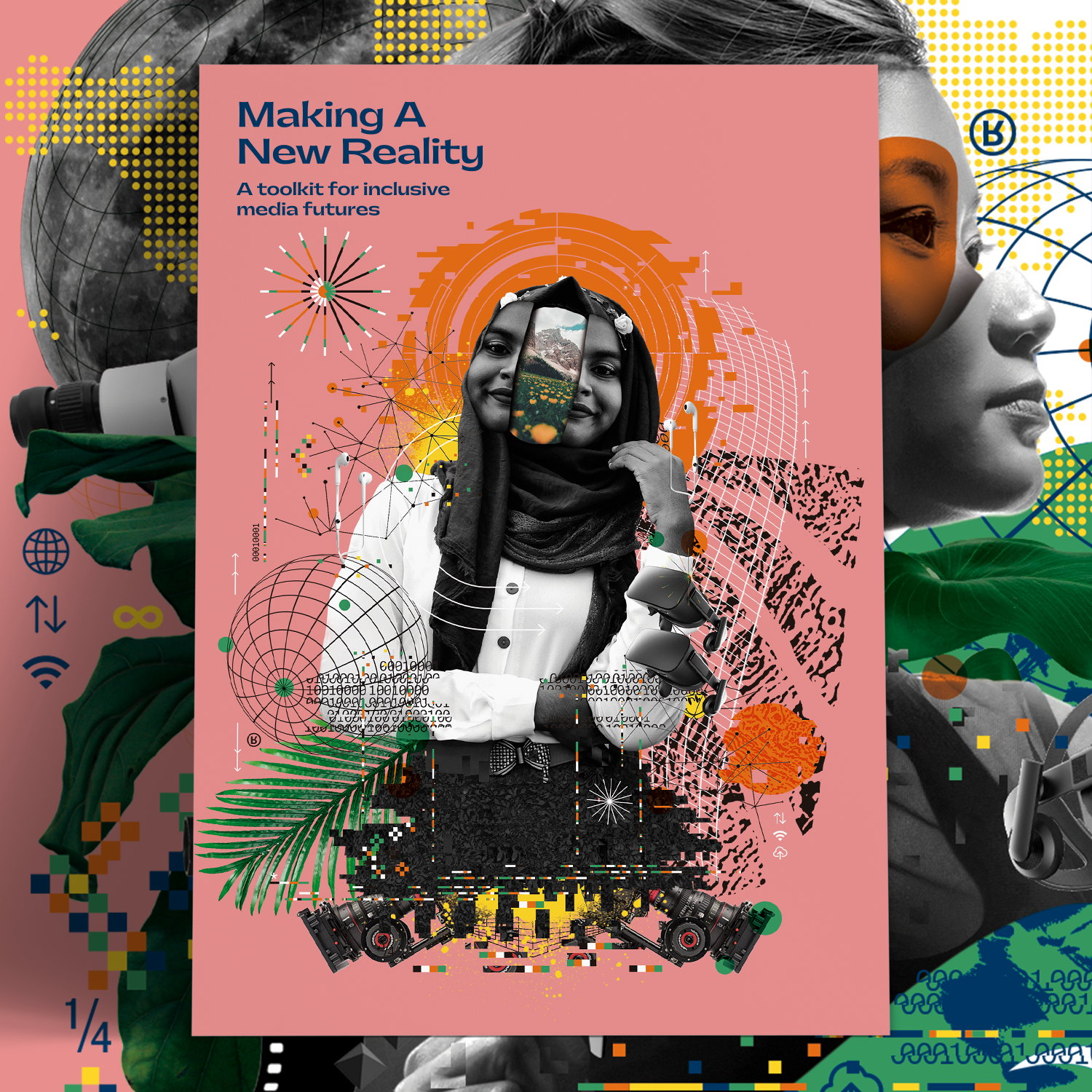
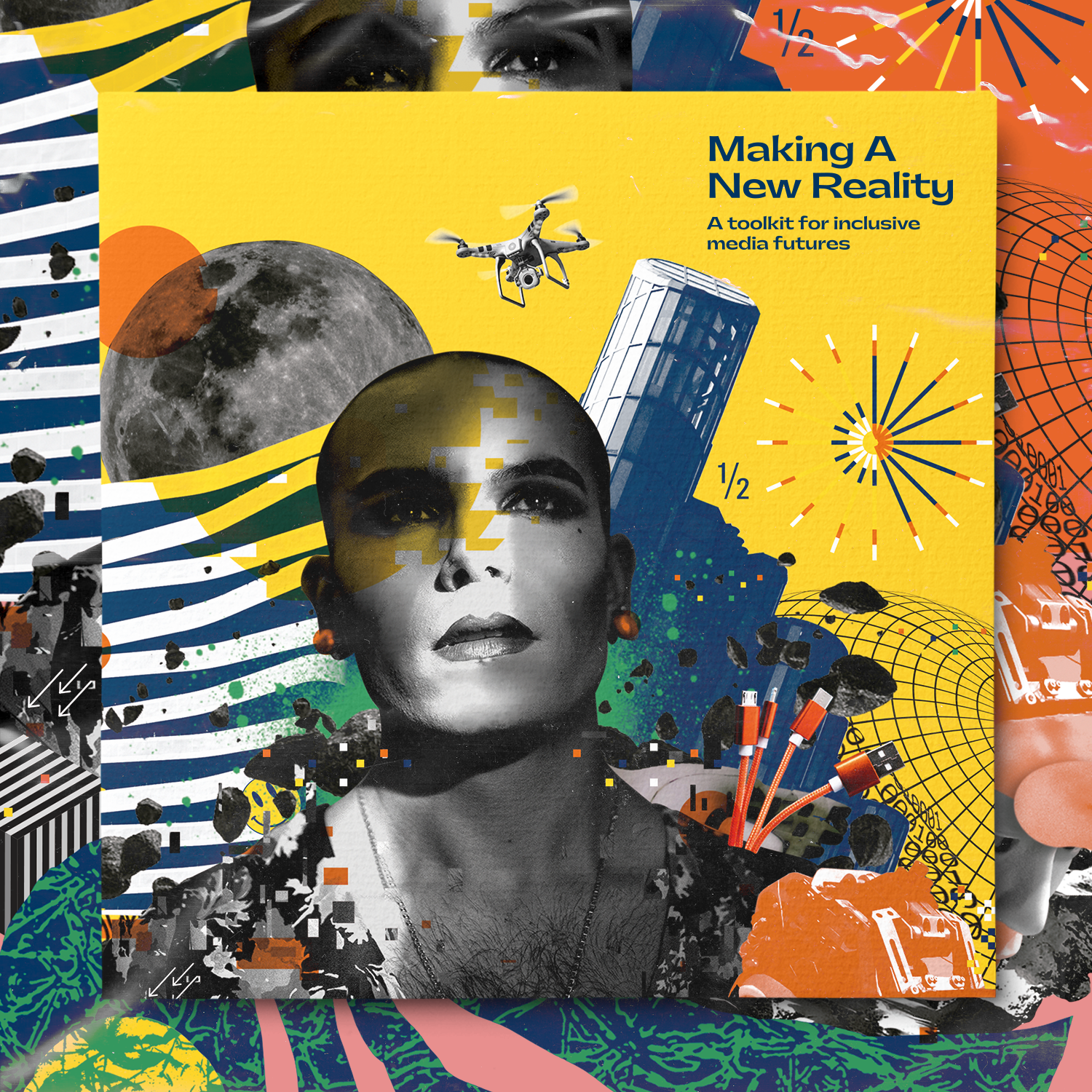
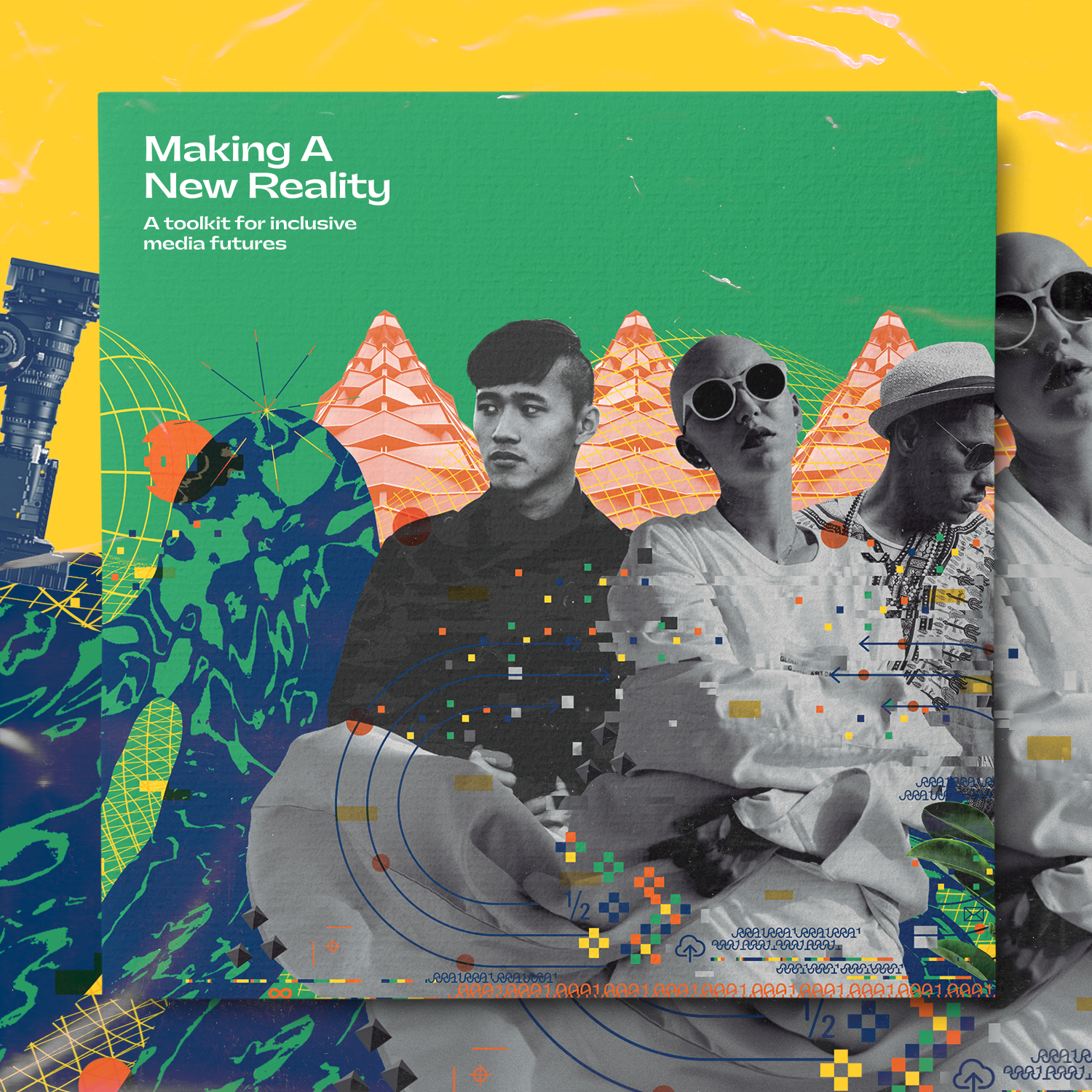
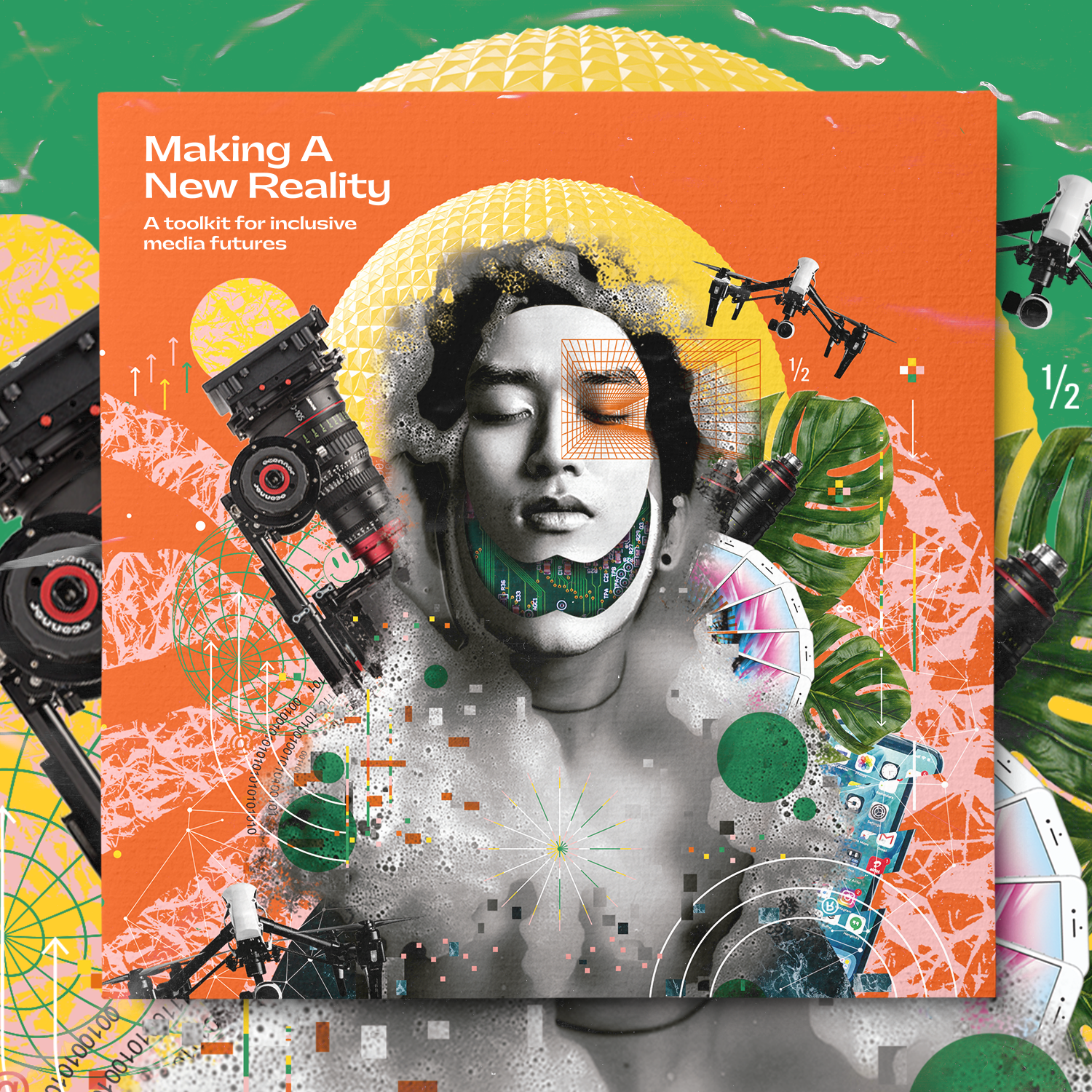
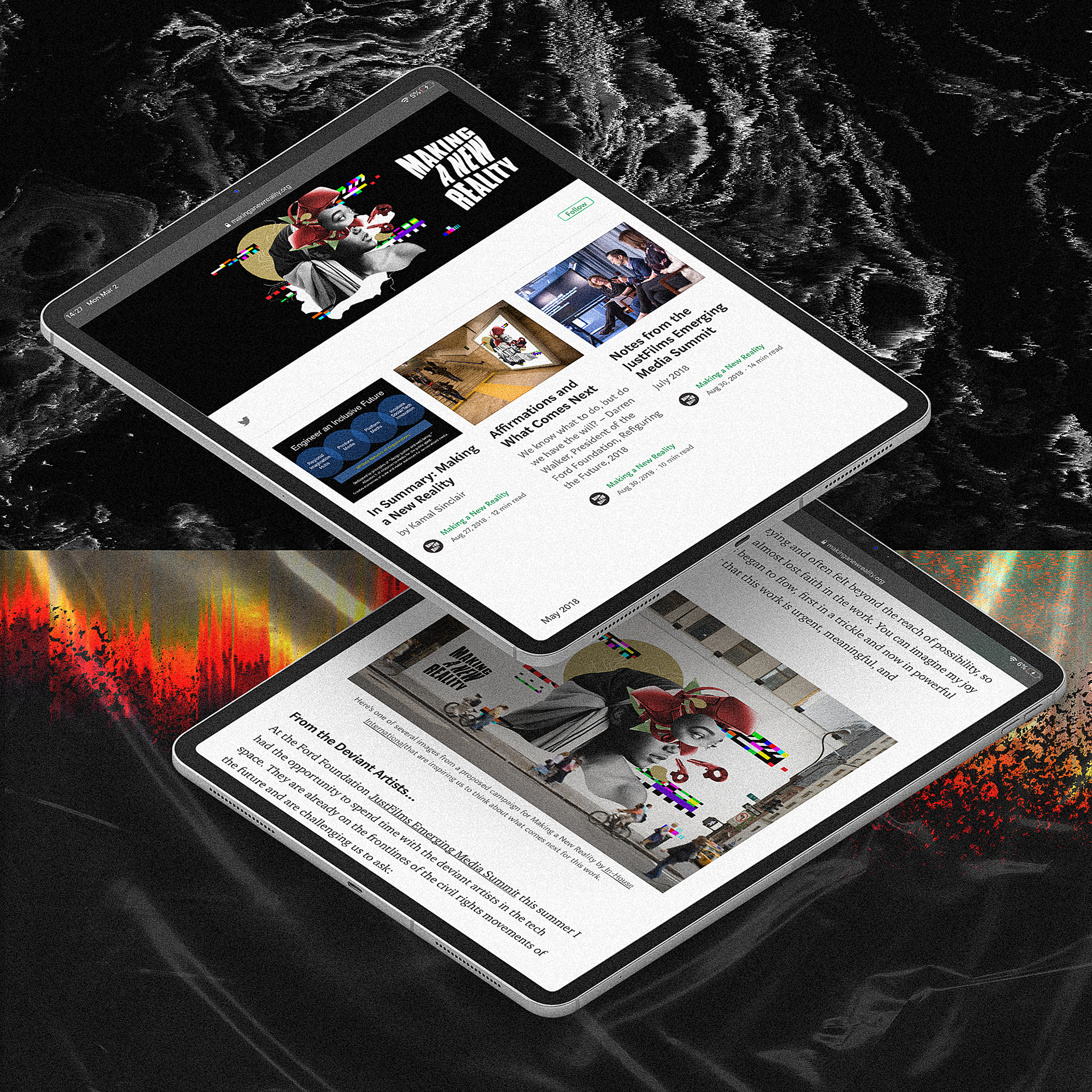
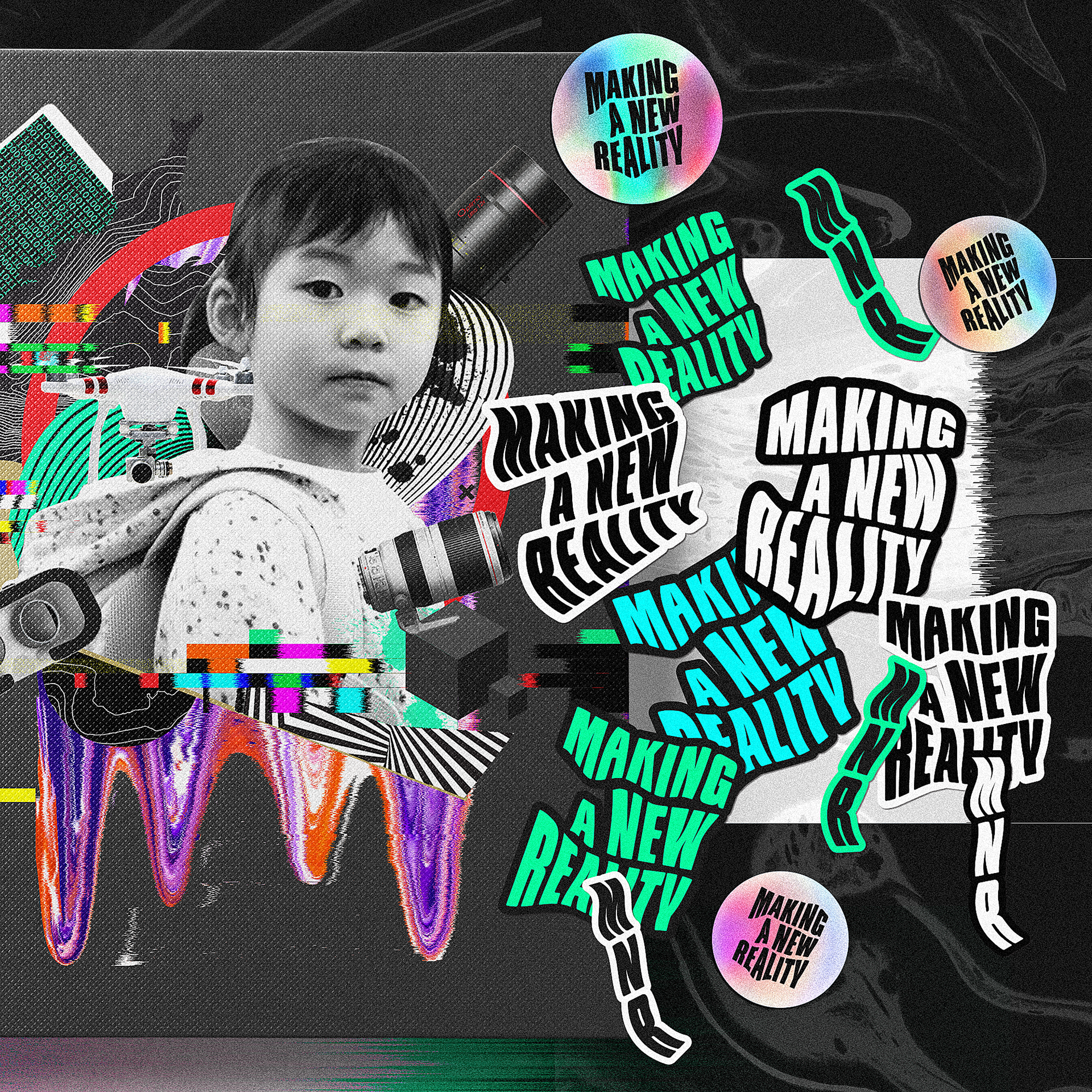
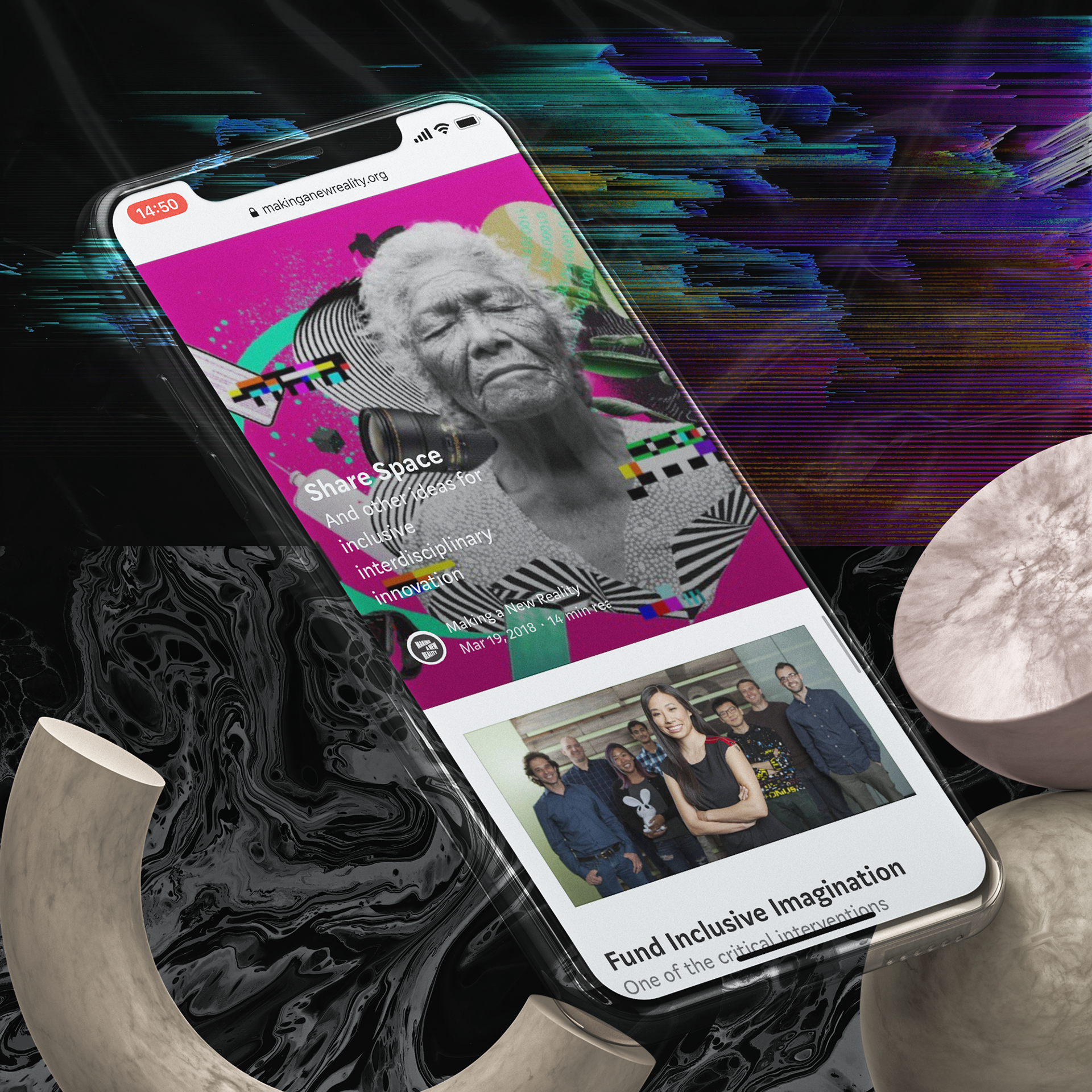
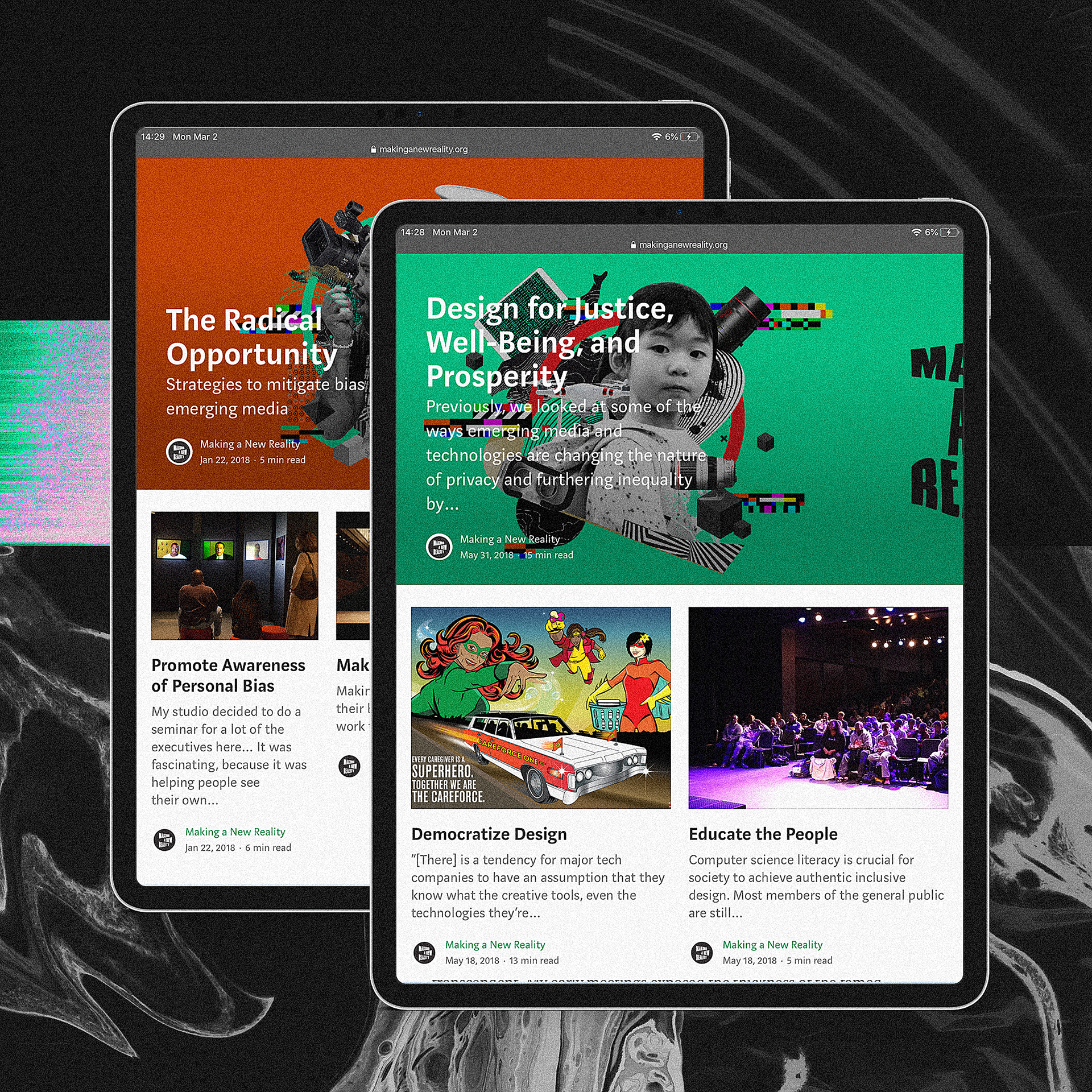
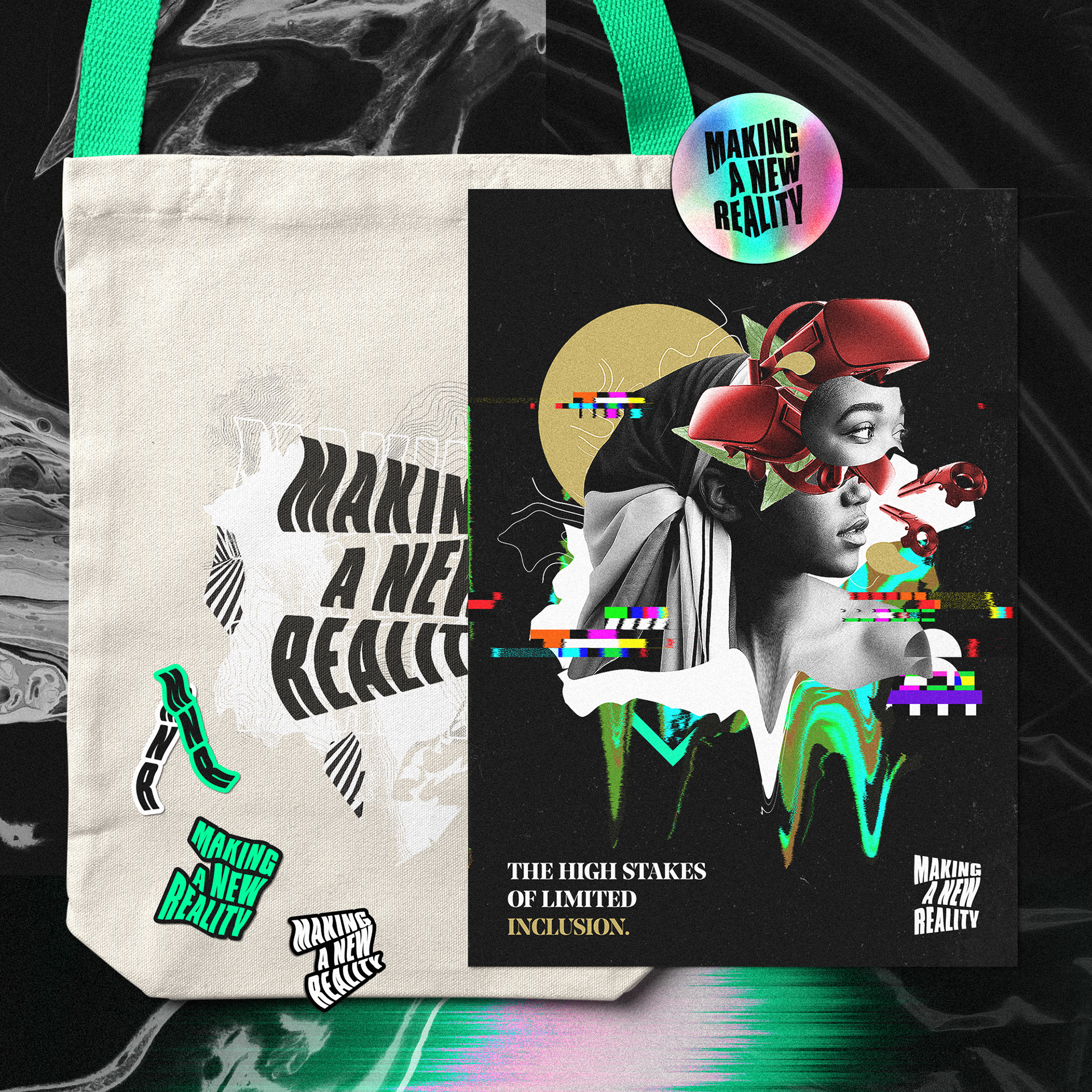
The visual system was built around a glitch-inspired mixed-media language that merged human and technological elements. Illustrations combined organic forms with digital distortions, creating hybrid visuals that reflected both connection and friction.
The visual system was built around a glitch-inspired mixed-media language that merged human and technological elements. Illustrations combined organic forms with digital distortions, creating hybrid visuals that reflected both connection and friction.
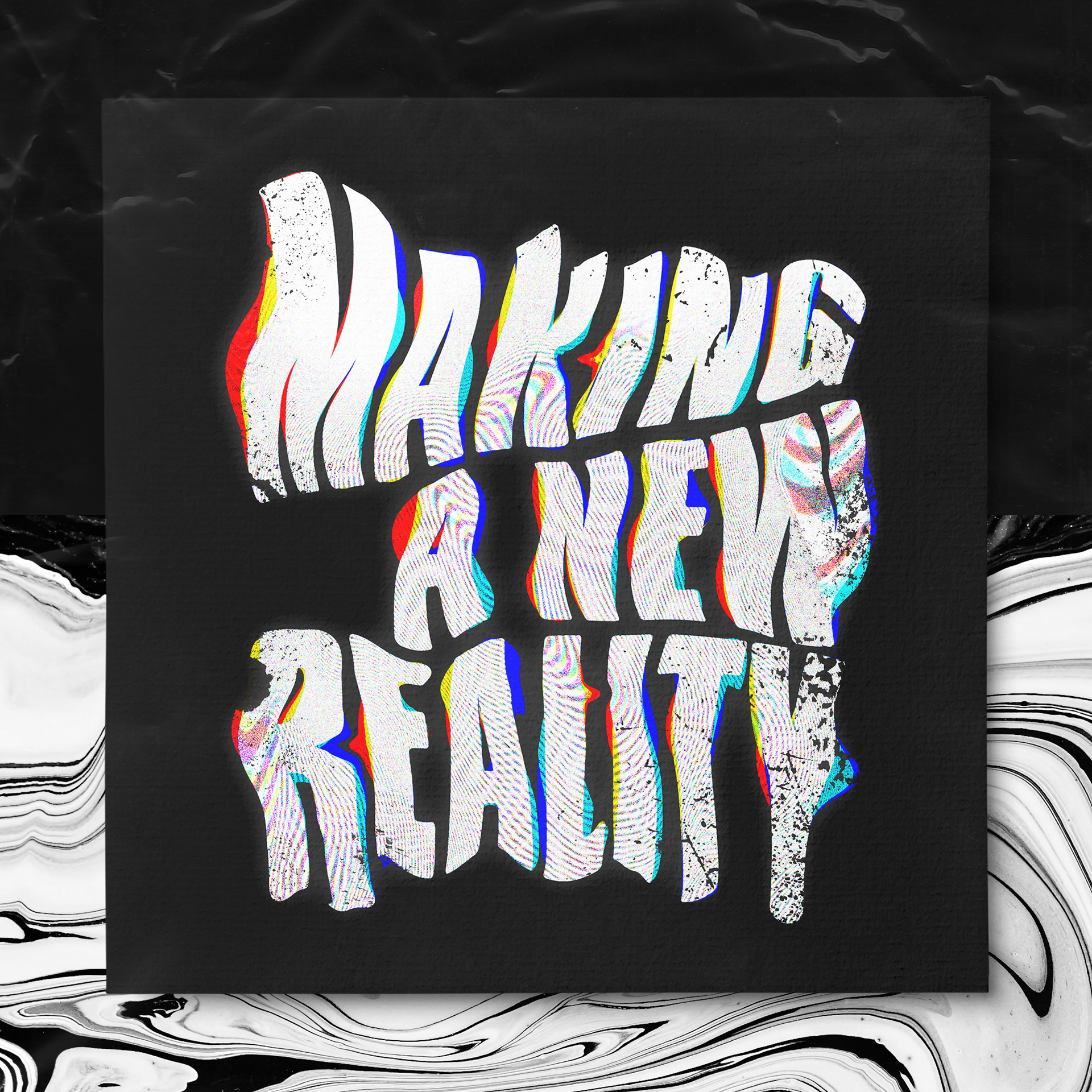
Gradients and color transitions were used to evoke digital environments, while distortion effects and broken textures introduced a sense of interference and instability. These elements were not decorative, but conceptual tools that reinforced the narrative of technological saturation and social tension.
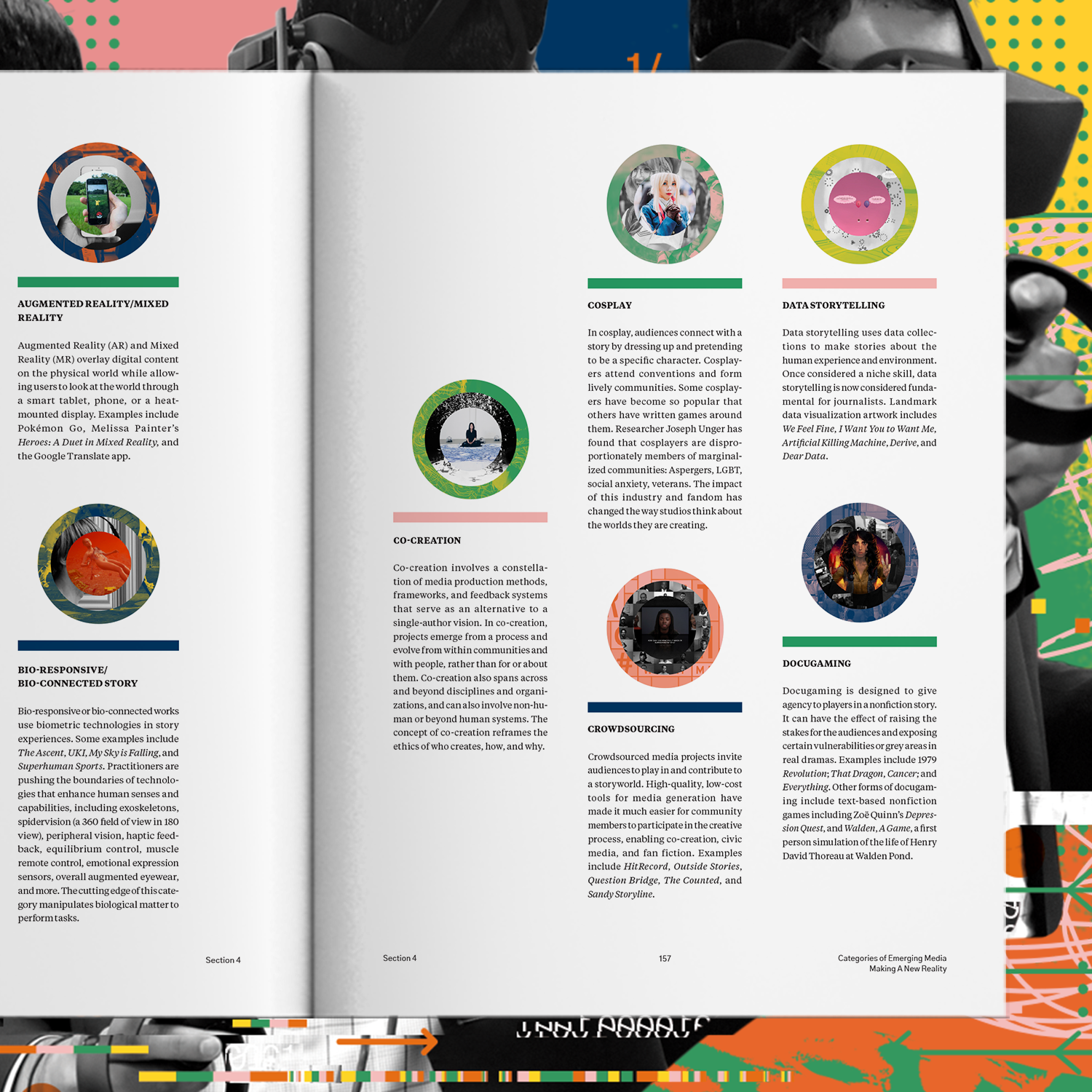
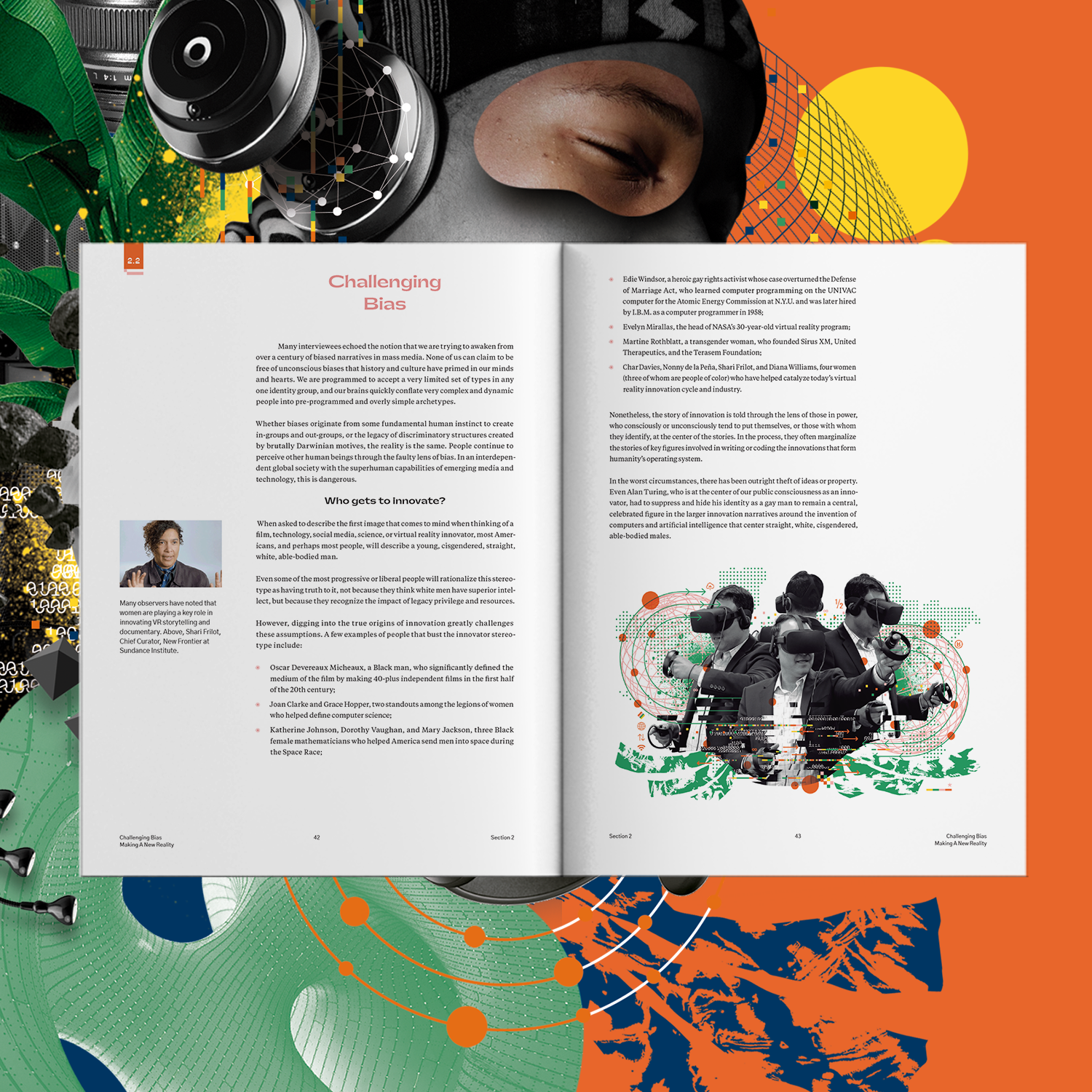
Typography and layout provided the necessary structure to counterbalance the expressive visuals. Clear hierarchies and controlled compositions ensured readability, allowing the identity to function across editorial formats while preserving its conceptual intensity.
Outcome
The resulting visual identity gave “Making A New Reality” a distinctive and emotionally charged presence. The combination of glitch aesthetics, mixed-media illustration, and restrained structural systems created a visual language that supported the initiative’s themes without simplifying them. By embracing distortion, gradients, and hybrid imagery, the identity translated complex ideas around social change and technology into a coherent and recognizable visual framework.
The resulting visual identity gave “Making A New Reality” a distinctive and emotionally charged presence. The combination of glitch aesthetics, mixed-media illustration, and restrained structural systems created a visual language that supported the initiative’s themes without simplifying them. By embracing distortion, gradients, and hybrid imagery, the identity translated complex ideas around social change and technology into a coherent and recognizable visual framework.
The Book
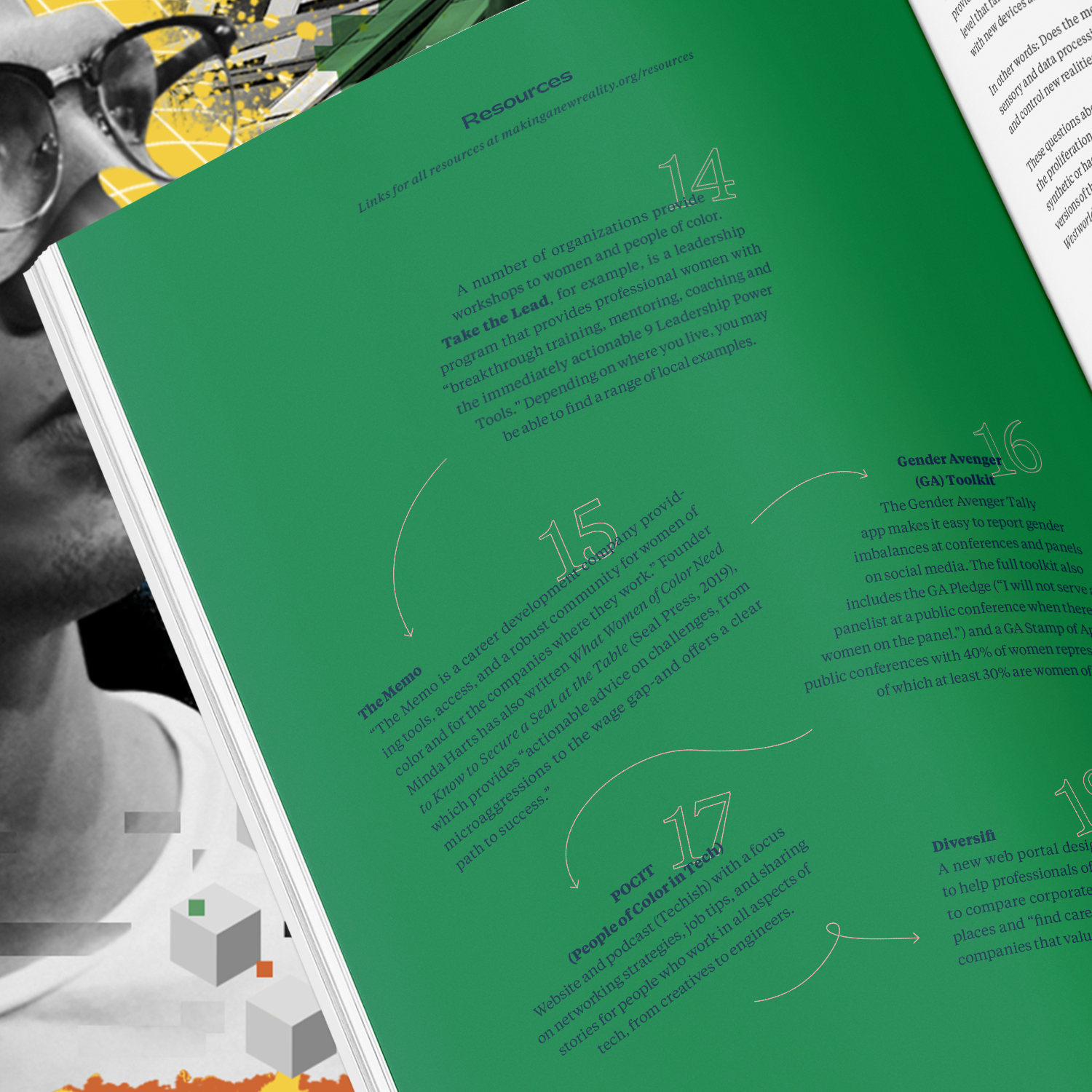
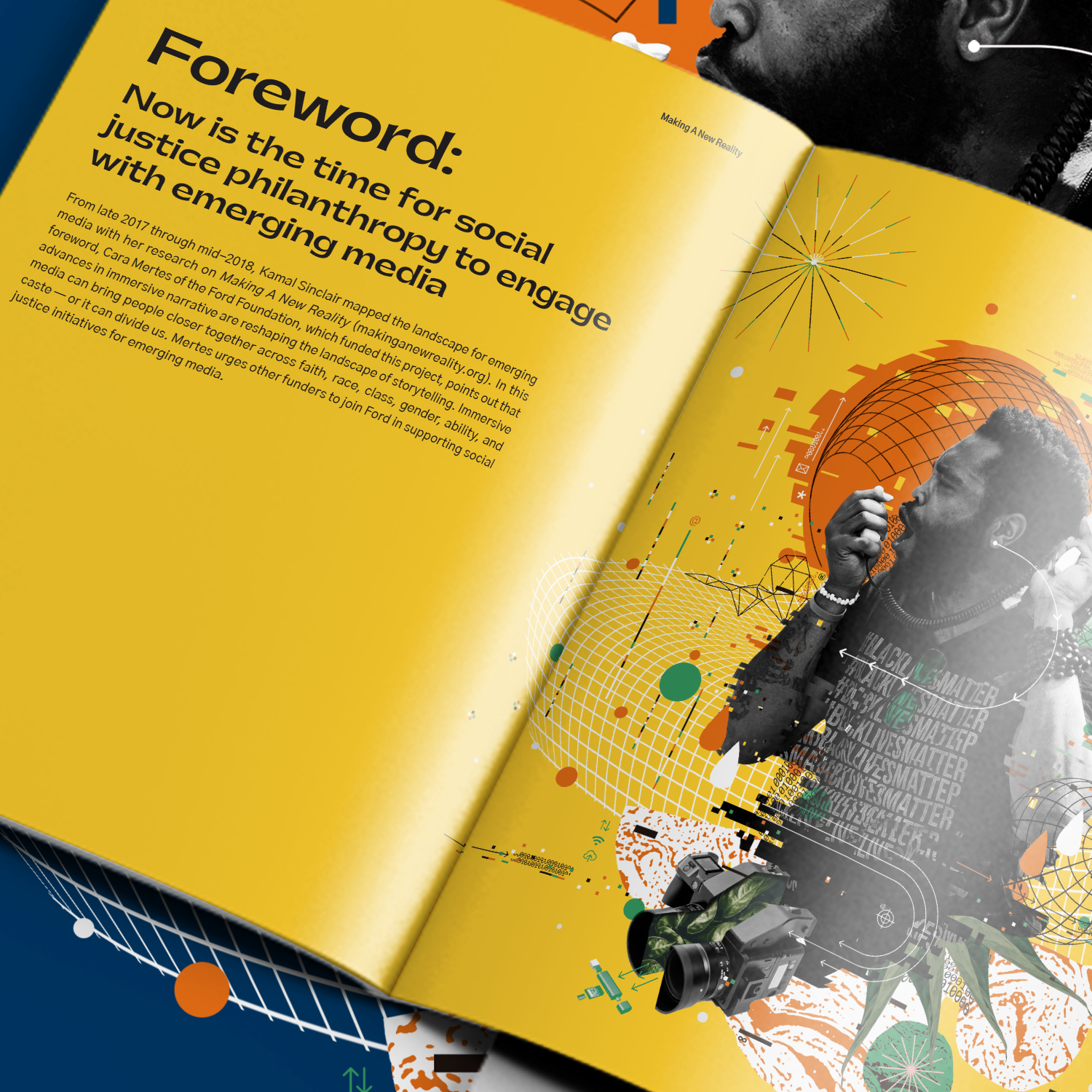
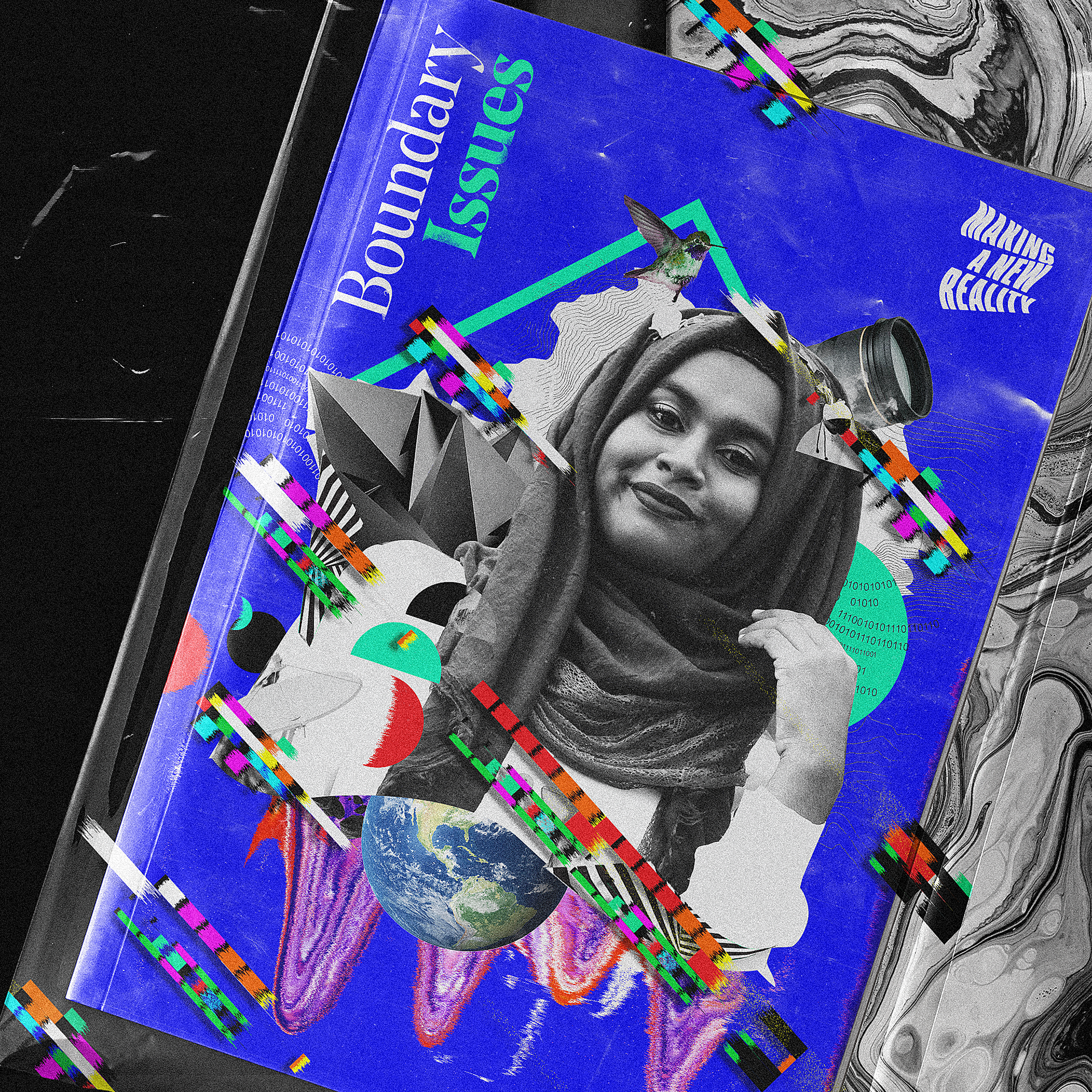
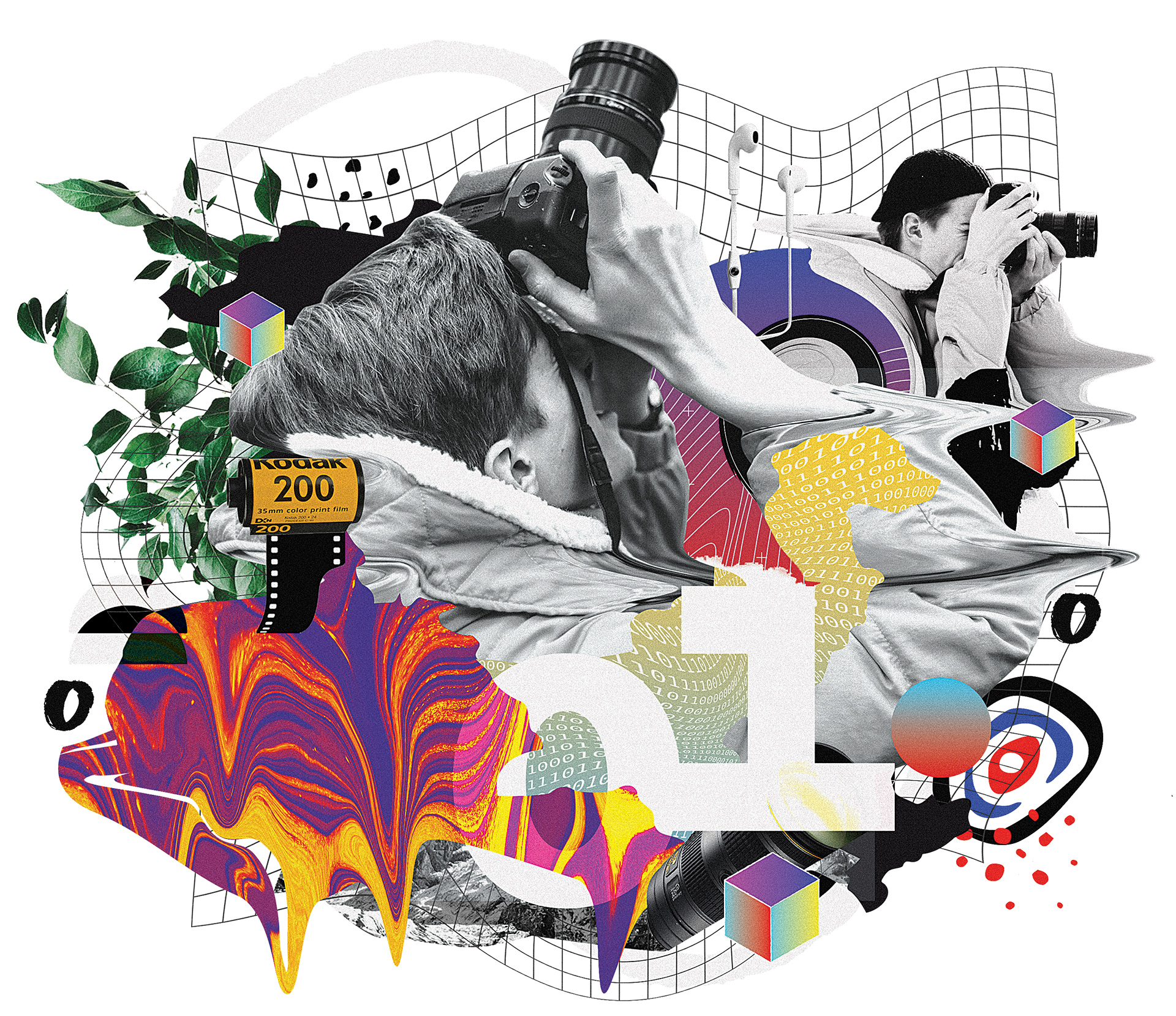
The visual identity was applied to an editorial publication that brought together essays and perspectives connected to the “Making A New Reality” initiative. The book functioned as a primary vessel for the identity, allowing the glitch-based illustrations, gradients, and hybrid human–technology imagery to unfold across a structured narrative.
The visual identity was applied to an editorial publication that brought together essays and perspectives connected to the “Making A New Reality” initiative. The book functioned as a primary vessel for the identity, allowing the glitch-based illustrations, gradients, and hybrid human–technology imagery to unfold across a structured narrative.